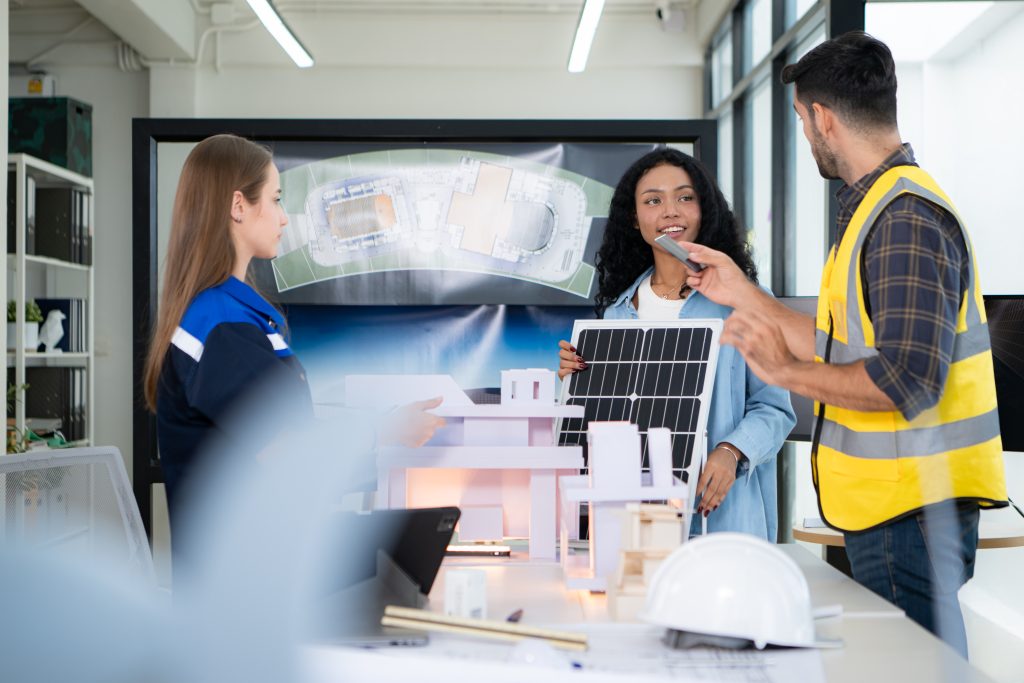
While students and teachers enjoy their summer break, the facilities management teams get busy. They start fixing up the schools to get ready for the next school year. In both primary and high schools, summer is the best time to do a lot of work, like deep cleaning and checking all the electrical systems. Every job needs to follow the rules from the department of education. These rules make sure everything in the school is safe and ready for students to learn. By doing all this work, the school is ready to start the new school year strong.
The Summer Surge: Why Facilities Management Peaks in Schools
The summer break is a special time for school facilities teams. It lets them get important work done without getting in the way of high school students and their learning. There is less activity, so it is easier to work on things like fixing plumbing, working on landscaping, or updating classrooms.
School districts and their leaders use the summer because it is slow and quiet. They finish up many jobs that are hard to do during the busy school year. By working now, they make sure buildings are ready, follow all the rules, and everything is set for the new school year.
Understanding the School Calendar’s Impact on FM Schedules
School calendars help set the plan for when facilities teams get their work done. In most primary schools, the year starts in September. This means there is a good amount of time in the summer to do important facilities management tasks. When the board of education and administrators match up their schedules, all parts of the team can work smoothly together.
The summer gives school districts more time to work with fewer breaks. During school terms, there are many school events, but in summer, facilities teams can do big jobs like remodels or repairs without getting in the way of normal school life.
If the school calendar changes, maybe for a holiday or different term dates, FM teams must also change their plans. School districts need to be ready and careful with their time and tools to meet the needs of the primary schools. The school calendar is like a guide that helps with all the planning for facilities management.
Reduced Occupancy: The Opportunity for Uninterrupted Work
When high schoolers and primary school students are on summer break, there is less activity in the buildings. This gives facilities management teams a rare chance to do important work without many safety issues. Key upkeep jobs can be done without any breaks, and it makes things easier, like not having to move classrooms around.
The National Center for Education Statistics shares that summer break is the right time to handle big jobs in schools, like checking heating and vents or working on plumbing. These tasks help make sure that when students and staff return, the spaces are improved.
Having fewer people in the school during this time means there are less surprises or problems that can happen in the school term. It helps teams follow best practices more easily. In the end, getting work done well and not causing interruptions shows why summer break is so useful for facilities management.
Aligning Maintenance with Academic Planning
Facilities management in the summer needs to match the planning work from the last school year. This close work together helps take care of practical problems and deals with emotional challenges that come when students get back in the classrooms.
People look back at projects from last year and make sure these fit well into the new school year’s plan. For example, when classrooms are updated, it is done to meet goals set by school boards. The goal is to give students a better place to learn.
Schools that connect their repair work to what is needed in school get good results. Including planning steps makes it easier to manage tough jobs. Doing this not only helps them be ready but also covers any gaps from the past.
Essential Maintenance Tasks Carried Out During Summer
Summer is a time when school districts get a lot of work done, both small jobs and big ones. This might be deep cleaning every classroom, or even doing large updates, like fixing plumbing. Schools use the lot of time during the break to make changes that meet important rules and help students learn better.
FM providers know how useful this lot of time can be. They use best practices to make the most of it. With less going on in the building, schools can focus on these jobs. This helps make sure students have a safe, clean, and better place to learn when the new year starts.
Deep Cleaning and Sanitising Classrooms, Halls, and Communal Areas
Clean and sanitised school spaces are very important for student lifecycle management. This is true, especially when the time comes for registration for the next academic session. Research shows that better classrooms help fight summer learning loss.
FM teams work hard to disinfect places used by everyone. They make sure both classrooms and halls stay clean after months of being shut. They also use equipment made to focus on the main areas where germs often stay.
On top of that, teams check the indoor air as part of the cleaning. This is done to make sure students have a good place to learn. These steps help give parents and school leaders peace of mind that the school is safer for everyone.
Floor Refurbishments, Painting, and Decorating Projects
During school breaks, there is a focus on floor work and new paint for the buildings. These jobs help the school look better and also help schools meet important eligibility rules. This work is key for student wellbeing.
- Painting halls and classrooms brightens the space. This visual change is good for younger students, especially when they come into a more structured setting.
- Adding decorations that match school theme days or new events helps students stay balanced during the September start.
- Fixing surfaces, like grading, makes the buildings stronger. This means the area is safer when the term begins.
Upgrading inside the school, both in looks and function, ties in with academic goals. When these projects get done, they help learning spaces be ready for everyone.
External Grounds Maintenance: Playgrounds, Sports Fields, and Landscaping
Playgrounds and sports fields get a lot from summer break upgrades. With more daylight hours, it is easier to work on landscaping. Schools like Enders Road Elementary use this time to make outdoor spaces better for learning.
At Eagle Hill Middle School, FM teams look after the campus in a way that fits the season. They cut grass and fix places that get a lot of use during the hour school day. This helps bring the grounds back to good shape.
Summer break is also a good time because there is more space on the schedule and more help to get repairs done. The work on the grounds brings enrichment to these spaces while following safe and nature-friendly rules. These better outdoor areas help kids enjoy learning in new ways.
Upgrades and Compliance: Making Schools Safer and Smarter
Updating school buildings in the summer is important for staying in line with rules from the education commission of the states. Facilities teams spend time to make sure safety rules are put in place the right way.
When schools work on safety upgrades and add new technology, they also help reach economic cooperation goals. These steps help them follow rules in many areas and make schools across the country better. At the same time, schools become more in line with top global education standards.
Electrical Inspections and System Upgrades
Electrical work is a big part of getting schools ready for new learning systems. High school buildings need up-to-date systems to help keep everyone safe, especially after the pandemic.
Inspections follow set rules to help the school year go well. The work checks the systems and makes sure they are up to FM standards. This is important for how fast you can handle an emergency.
| Inspection Focus | Outcome Delivered |
| Compliance with best practices | Better safety for all systems |
| Integration into high school systems | Smoother running schools after summer |
| Data-fed detection equipment | Better and faster checks on building safety |
Heating, Ventilation, and Air Conditioning Checks
Regularly checking the heating, ventilation, and air conditioning (HVAC) systems is very important during summer break. This helps get the school ready for the new school year. When you find problems early, you can fix them. This not only makes the air better to breathe, but it also keeps students and staff more comfortable. Taking care of these systems ahead of time means there is less chance that something will break. This helps schools avoid big problems right before students come back. The department of education says that keeping HVAC systems in good shape matters a lot for building a good place to learn.
Plumbing Overhauls and Legionella Prevention
During summer break, school districts work on important plumbing updates. The focus is on making sure everything works well and stays safe. They want to stop problems before the school year starts, like leaks or water issues. Keeping an eye on legionella is key, because not using pipes for a while can let it grow in the water. One of the best practices is to flush out water from taps and pipes that are not used often. This helps lower the risk. By staying on top of these plumbing tasks, school districts make the place safer for students and staff and get ready for a good school year ahead.
Tackling Large-Scale Projects That Can’t Be Done in Term Time
Summer is a great time for schools to work on big projects. With high school classrooms empty and most high school students away for summer break, it is much easier for school districts to start things like repairs, building work, or moving stuff around. This keeps work from bothering people who are at the school to learn. The summer break lets them bring in new technology and fix important parts of the buildings. It also helps to make sure the work follows all local rules since there are no busy school days to work around. Because of this, projects usually finish faster and lead to better places for people to learn.
Reconfiguring Classrooms for Changing Needs
Adapting the way classrooms are set up is important. It helps support many learning styles and keep up with new education standards. When rooms have more flexibility, they fit different teaching styles better. This helps high school students, middle schoolers, and primary school kids. Changing how classrooms look is also backed by data from the department of education. The data says it is good to create places that help people work together and take part in learning.
If schools focus on these changes during summer break, they can help stop summer learning loss. They will also be ready for what the next school year brings, both challenges and chances.
Renovations and Expansions
Renovations and expansions in schools usually happen during the summer months. This is a good time because the work does not get in the way of the school year. During this time, schools can update old classrooms and make more learning spaces for students. This helps with the problem of more students coming in every year.
Working with contractors and using best practices helps make sure these projects meet the rules set by the department of education. As families get ready for the next school year, these changes help make the school better for learning. These updates also help high school and high school students deal with the emotional challenges that can come with new places and changes. This makes it easier for them to get used to their new school environment.
Implementing New Technology Systems
Summer is a great time for school districts to bring in new technology systems. Schools can use this time to upgrade the things they need. This helps high schoolers and middle schoolers get the latest tools for learning. By adding advanced tools now, students can grow and not fall behind over summer. This also helps fix summer learning loss for them.
The National Center for Education Statistics says that using technology is part of best practices to get students ready for what they will need to know in the future. When schools focus on this before September, it helps everyone start the year ready. Teachers and students can have a better and smoother learning space from day one.
Health, Safety, and Compliance: Meeting Legal Requirements
Keeping up with legal rules in schools is very important. This is true, especially in the summer, as there can be a lot of checks done then. Fire safety must be kept up, with regular checks and full tests of all emergency systems. This helps to make a safe place for both students and staff. Schools also have to carry out asbestos surveys. The process of getting rid of asbestos must put health and safety laws first. Making the school easier to use for everyone matters too. The Disability Discrimination Act (DDA) says all school spaces should be open to every student. This way, no one is left out. Taking action early does not just keep schools up to date with laws. It also makes a safe and caring place to study and work for all.
Fire Safety Checks and Emergency Systems Testing
Doing full fire safety checks and testing emergency systems is very important during summer. This helps make a safe place to learn at a high school. It is good to look for possible dangers that can hurt students and staff. Many schools work with the local fire department or contractors to do these checks well.
The results from these checks follow rules from the board of education. They also help school districts better understand how to manage risks. This can lower danger and make educational safety steps stronger for all high school students and staff.
Asbestos Surveys and Remediation
Finding things that might have asbestos in them is important to keep a safe place for learning in schools. Doing careful checks in the summer helps make sure that any danger gets handled before high school students come back in September. When getting rid of dangerous stuff, schools also need to follow the legal rules from the department of education. This way of taking action helps keep high school students and other people in the building healthy. It also follows best practices in how a school takes care of its space. All of this helps the school have a safe and secure place for learning.
Accessibility Improvements and DDA Compliance
Making schools open to everyone is very important. It helps all students feel included and respected. The Disability Discrimination Act, or DDA, says schools should have things like ramps for easy entry, wider doors, and better restrooms. By doing this, schools follow the rules set by the department of education. These steps make school life better for high schoolers and middle schoolers, too. When a school uses best practices like these, it lowers barriers. It helps more students join in and takes care of emotional challenges that may come up in a place with so many different kinds of people.
Preparing for a Smooth Start to the New Academic Year
Making sure the start of the new school year goes well means you have to do careful planning in every part of managing the buildings. You need to finish risk checks and look over the site to spot any safety problems. This step helps keep everyone safe and ready to follow the rules. It is also important to stock up on things you need and set up the learning areas. This helps meet the needs of each classroom and makes a good place to learn. Doing a final walkthrough gives school leaders a chance to make sure each area is ready and up to the right standards before students get there in September.
Completing Risk Assessments and Site Inspections
Careful risk checks and site inspections are very important during summer break when schools have no students. These checks help to find any dangers. The goal is to keep everyone safe before students and staff come back for the new school year. The department of education reminds everyone to use best practices and to follow health and safety rules. Inspectors will look at things like fire systems and if school buildings are strong and safe. These steps help make a safe place for learning. By catching problems early, the school lowers danger and can help stop some of the big emotional challenges high school students may face. This can help make a better school year for everyone.
Stocking Supplies and Setting Up Learning Spaces
Getting ready for the school year means planning and getting organized. Teachers need to make sure they have all the right supplies. This helps classrooms work well for learning. It includes things like textbooks, art supplies, and everything that middle schoolers and high schoolers need.
Setting up classroom spaces takes some thought, too. You have to think about where things go and what tools to use. When you make a good place to learn, it can help both group work and working alone. This helps schools stop summer learning loss and helps students get more from their time in class right from the beginning of the year.
Final Walkthroughs and Handover to School Leadership
Finishing the final walkthroughs is a key step to get schools ready for the new academic year. These checks help to make sure all the renovations, safety steps, and rules match what the department of education asks for. Facilities management teams need to look at every detail and fix any last-minute things that may come up. They must do this before giving the school back to the leaders.
This handover is also a good time for school administrators to check if everything works well. They can see if the classrooms and other areas meet what high schoolers and middle schoolers need now. The goal is to help everyone get set for a good start in September.
The Role of FM Service Providers in School Success
Facilities management (FM) service providers play an important part in making sure schools have the best setup for students to do well. They help school districts and contractors work well together, especially when there is a lot to do during the summer break. These providers get big projects done on time. What they do makes the learning place safe and run better. For example, new technology systems and building upgrades help both high school students and those in primary school meet their changing needs. By working together, they keep work disruptions low during the main times when schools are getting ready, so schools and their communities get the most benefit.
Coordinating with School Administrators and Contractors
Working well with school administrators and contractors is very important in the summer. These months give facility managers a chance to set up projects with the school year in mind. This helps make sure any updates or repairs are finished before high school students come back in September. Staying in close contact lets everyone use resources in the best way while also meeting the budget limits that the department of education puts in place. When everyone works together on when things get done and who does what, the group shares the same goal. This helps keep the high school running smoothly and stops problems when the new year starts.
Delivering Projects on Tight Summer Timelines
Getting projects done well during the short summer break is very important for school facilities management. During this time, schools have tight deadlines. That means it is key for the school administrators, contractors, and service providers to work well together. They need to stay in touch so things get done right for the new school year. When everyone works as a team, improvements, repairs, and safety checks can meet all the rules set by the education department.
Using best practices and strong ways for people to talk with each other helps the FM teams stop summer learning loss. It can also help families avoid any money problems because of delays. This is the way schools can get their buildings ready so students at middle schools and high schools have what they need to do well. The right setup helps students be ready and have the skills they need when the school year begins.
Ensuring Minimal Disruption and Maximum Value
Good planning and working together are very important for running schools well, especially in the summer. When you schedule repairs and other work at this time, you help keep classes running as normal. Primary and high schools, both, get the most from a plan that saves time and gets things fixed fast. This way, repairs don’t get in the way of learning.
When schools and contractors work together and use best practices, they get more for their money. This way, schools make sure their building updates last for a long time. This way of thinking helps create a better place for students to learn. It also makes sure both high schoolers and middle schoolers get what they need at school.
Conclusion
The time spent getting ready during summer break is important for schools. It helps them run well all year long. The facility management team must handle big projects. They also need to follow rules set by the department of education and the district. To avoid problems like summer learning loss, schools need to plan and use their resources in a smart way. This is good for high school students, middle schoolers, and younger kids. As a new school term comes, building a strong base helps both students and teachers. It lets them be strong and ready to face any new changes together.
Frequently Asked Questions
Why is summer considered the best time for school maintenance?
Summer is a good time to do school maintenance because there are not many students around. This lets the maintenance team work on big repairs and upgrades. They can get these big jobs done before everyone comes back. It helps the team make sure everything follows health and safety rules. When school starts again, the building will be ready for everyone to get back to learning.
What are the most common FM projects carried out during the break?
Some of the most common FM projects you see during the break are upgrades to the HVAC system, big plumbing repairs, and changing the way classrooms are set up. Schools also make sure to do safety checks and put in new technology. Along with this, they do new renovations for the learning spaces. These steps help schools get ready for the new academic year. This way, students and staff can have a smooth start when they come back.
How do FM teams ensure safety during major works?
FM teams put safety first during big projects. They look at every risk to make sure nothing is missed. The teams use clear signs on site, so people know what is going on. They also talk often with contractors to be sure everyone follows the rules. Regular talks with school staff keep all people updated. This way, they can lower all risks and protect students and staff while work is happening.
What challenges do facilities managers face in the summer?
Facilities managers face many problems in the summer. Some of these are short deadlines for big building projects, following health and safety rules, keeping track of when contractors will be coming, and making sure that school life is not interrupted too much. Good planning and teamwork are needed to get through all these issues.
How can schools prepare for a successful summer FM programme?
To get ready for a good summer FM program, schools need to plan ahead and set up a clear schedule. They should work with trusted service providers. It is important to check the sites before summer starts. Schools also have to make sure all the needed resources are there. When schools take these steps, the work will go smoothly, and the projects will be finished on time.
Why is summer considered the busiest time for facilities management in schools?
Summer is the busiest time for facilities management in schools due to essential maintenance and renovation projects. During this break, schools can address repairs, upgrade infrastructure, and conduct thorough cleaning without disrupting classes. This proactive approach ensures that facilities are ready and safe for students’ return in the fall.