Key Highlights
- Facilities management ensures safe, efficient, and well-maintained environments within the hospitality industry.
- Guest satisfaction is elevated through seamless guest services, clean amenities, and optimum functionality.
- Operational efficiency is achieved by reducing downtime, improving energy management, and controlling costs.
- Routine maintenance, adherence to safety regulations, and hygiene standards are upheld by facility managers.
- Hospitality businesses increasingly adopt sustainable practices and facility management software to optimise resources.
Understanding these aspects sets the stage for grasping why facilities management is indispensable in the hospitality sector.
Introduction
Facilities management is at the heart of daily operations in the hospitality industry. It helps make places better for guests. This can be through saving energy or keeping things very clean. The main goal is to keep everything working well and make sure people have a good time. Hotels and resorts need to look after all places, so guests remember their stay in a good way. When teams work together, facilities management helps businesses give great service and meet industry standards. This is why it is so important in hospitality. Good facilities management can make any hospitality business stronger and more successful.
Defining Facilities Management in the Hospitality Industry
Facilities management in the hospitality sector means taking care of buildings, services, and tools in a way that helps with how well things work and helps keep guests happy. This work is more than just fixing things when they break. It also covers important jobs like making sure safety rules are followed, managing how much energy people use, and handling waste the right way.
Facility managers in hospitality lead different teams, like housekeeping, gardening, and repair teams. They make sure everything in hotels or restaurants runs smoothly. They plan ahead and solve problems so there are no sudden issues. This helps give every guest the best experience and keeps things running well every day.
Core Elements of Facilities Management
Facilities management in hospitality is all about a few key things that keep everything running well. Cleaning is mainly important for guest satisfaction. It keeps rooms and all shared spaces up to top hygiene standards. Regular cleaning also helps to stop things from getting old too fast and keeps the place looking good.
HVAC systems are important in hotels or resorts as they keep the air and temperature right. Facility managers work on making these systems better. They want guests to be comfortable and to improve energy efficiency at the same time.
Guest room amenities like lights, furniture, and plumbing need to be looked after all the time. Keeping up with these things to meet hospitality standards is a must. When everything works well together, guests have a good stay and the brand’s reputation stays strong.
Distinct Roles in Hospitality Settings
Facility managers are in charge of daily operations. They work with different departments and make sure things run well. They do more than just watch over things—they find and fix problems fast. This helps with electrical, plumbing, and other systems in the building.
The housekeeping team is very important for keeping guest rooms, public spaces, and other parts of the property clean. Facility managers work with housekeeping to make sure hygiene standards are high, or even better than expected.
Concierge services also play a big part in guest experiences. For this, facility managers need good organisation and great hospitality. They plan workflows in a way that helps the front-of-house run smooth. This lets guests have the best experience and feel welcome.
Enhancing Guest Experience Through Facilities Management
Facilities management helps make guest experiences better by making sure places are clean, safe, and nice to see. This can be the guest rooms, or other places where people go to have fun or relax. People who manage the facilities work hard to give out good service every day.
When the facility works well, guest services are easy to use. Things like Wi-Fi, air, and other important amenities are ready for people at all times. People who do facilities management stay on top of problems, so services do not stop. This way, guests get a good stay that they will remember.
Impact on Comfort and Satisfaction
Guest satisfaction depends on keeping important amenities in good shape. Hygiene standards matter a lot. This means rooms, kitchens, and shared areas need to be clean and look their best. Regular cleaning and checks play a big role in how guests see their stay.
Maintenance work is key for fixing issues like broken HVAC systems or plumbing. Doing this quickly helps avoid bigger problems. When you service air-conditioning units on time, guests do not have to deal with discomfort during hot weather.
Facilities management also means more than just fixing things that break. It includes offering good amenities, like a clean swimming pool or a gym with all the needed equipment. Every step helps build guest confidence and makes people feel more comfortable.
Influence on Brand Reputation and Customer Loyalty
Good facilities management helps keep a brand’s good name and makes customers want to come back. When the property is clean and cared for, people see it as professional. It shows you value the guests. This makes people come back and leave good reviews.
But, if the property is not looked after, people can have a bad time. This hurts the place’s reputation. If something like the air-conditioning does not work, guests might not want to come back. They may even leave bad comments online.
Facilities managers have a big job in keeping trust high. They put in place plans to stop issues and keep up the property’s standards. The work they do makes brands stronger and helps more people want to choose them over others. Good facilities management builds trust and keeps people coming back.
Operational Efficiency and Cost Control
When you use the right facilities management, you help boost operational efficiency. This means less downtime, so staff can do their jobs without stops. All departments can get their work done with ease and less trouble.
Cost savings also go hand in hand with these better ways of working. When you do regular checks and fix things before they break down, you can avoid high emergency repair costs. Checking your equipment on time and looking after energy consumption helps keep the budget safe. Facilities managers can make sure things last longer and run well by using these good habits.
Preventive Maintenance and Reduced Downtime
Preventive maintenance deals with problems before they get worse. If you schedule regular checks, you can catch any faults early on. This helps keep guest services running smoothly. It also helps expensive systems last longer, like HVAC and plumbing units.
Doing routine upkeep means there is less downtime. The facilities stay in good shape. For example, if you keep an eye on the hot water system, guests will always have hot water, even when lots of people need it at the same time.
When you fix weak spots early, hotels and resorts do not have to pay for sudden, pricey repairs. These could stop daily operations. The best way to handle facilities management is to prevent problems before they start.
Energy Management and Resource Optimisation
Energy management helps with both saving money and supporting sustainability at the same time. When managers use LED lighting and update HVAC systems, they work to use less energy but still meet environmental goals.
How you use resources has a direct effect on your budget. For example, when the team works to waste less water, it does not just help with conservation. It also lowers long-term costs. The table below gives some examples:
| Practice | Outcome |
| Energy-efficient lighting | Lower electricity expenses |
| Solar panel installation | Decreased reliance on grid energy |
| Controlled water usage | Reduced operational costs |
The strategies listed above help people work better. They also highlight how much the hospitality industry cares about using sustainable practices and cutting energy consumption.
Conclusion
To sum up, good facilities management matters a lot in the hospitality industry. It has a direct impact on guest experiences and the way things run every day. The main things to look at are comfort, safety, and the brand’s name. These all help make customers happy and more likely to come back. Also, preventive maintenance and energy management help use resources better. This leads to cost savings and boosts sustainability. As the hospitality industry changes, using new ideas and technology in facilities management will help you keep up with others in the field. If you want to take your facilities management to the next level, think about getting a consultation to find the right solutions for your business.
Frequently Asked Questions
What are the main responsibilities of facilities management in hospitality?
Facilities management in the hospitality sector is all about keeping everything running smoothly. People who work in this field take care of guest rooms, so guests have a good place to stay. The team also makes sure all safety regulations are followed at all times. There must be routine maintenance work done on equipment and rooms. This work helps each place in the hospitality sector stay clean, safe, and well-managed. Every day, facilities management helps the business be a good place for people to come and feel welcome.
How does facilities management improve guest safety and compliance?
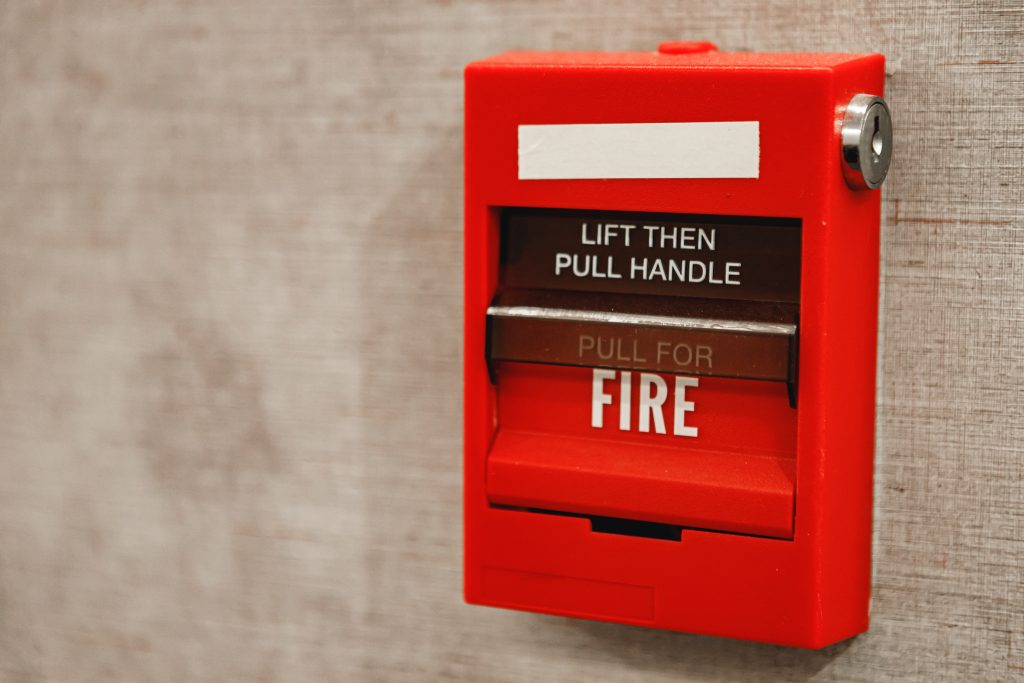
Guest safety is kept by following strong hygiene standards and working to lower safety hazards. Facilities managers use fire safety plans and do regular inspections. They follow safety steps, so guests and staff are safe. This makes sure that the place is secure for all.
What role does technology play in modern facilities management?
Technology helps facilities management by using software and apps to make things work better. AI and access control tools can make jobs easier and faster. These also help with governance and give a boost to operational efficiency. This means that hospitality businesses can change and improve how they work with the help of these tools.
How do sustainable practices in facilities management benefit hotels?
Sustainable practices help cut down on their environmental impact. They also lower what is used for energy consumption and bring down costs. When people and businesses start recycling, make energy efficiency better, and use eco-friendly rules, it gets the interest of guests who care about the planet. This can also help their long-term profits get better.
What challenges do hospitality businesses face in managing their facilities?
Some key challenges are making sure to stay within budget constraints and giving regular staff training. Doing routine inspections and keeping up with industry standards is also important for good operational efficiency. It can be hard to meet guest expectations and also save money at the same time. This balance often remains a big problem.